

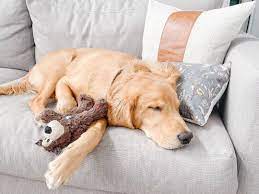
Whether you’ve got a small studio apartment with a window seat, or you’re living in a one-room place, these five fabulous small dogs will fit into your living space.
The History of Dogs and Why They Are Popular in the Modern Home
Dogs have been around for over 10,000 years and humans have always been drawn to them. Medium-Sized Breeds are popular in the modern home because they are good companions. They are loyal, loving, and provide a lot of emotional support. Small-space owners should know that dogs can be a great solution for solving problems.
For example, a small-space owner might have trouble sleeping because there is not enough space to move around. A dog can be trained to sleep on the owner’s bed and provide comfort during the night. Dogs can also be a source of entertainment.
For example, a small-space owner might not have enough room to play with their children or grandchildren. A dog can be trained to interact with the children or grandchildren and provide entertainment while the family is together.
Choose Your Dog: Middle Sized, Large or Small?
When it comes to choosing a dog, it’s important to consider the size of your home and your pet’s space requirements. Dogs come in three sizes: middle-sized, large, and small.
Dogs of all sizes can be happy in a small home, but they’ll likely feel more at home in a house that’s closer to their natural habitat – something larger. If you have a small home, go for a small dog. If you have a large home, go for a large dog. And if you have a medium-sized home, go for a middle-sized dog.
Most people think of breeds as being split into two categories: big and small. But there are actually more than 200 breeds of dogs, many of which fall into the “middle” category. So don’t let breed prejudice stop you from finding the perfect pet for your home.
How to Pick the Right Dog for You
If you’re one of the millions of people who live in a small space, then you need to know about the top petite dogs. These dogs are perfect for small-space owners because they’re easy to care for, have a low energy level, and are great with children. To choose the right petite dog for you, first consider your lifestyle.
Do you want a dog that’s active or passive? An active petite dog will require more exercise than a passive petite dog, but they’ll be less likely to sleep on the couch. On the other hand, a passive petite dog may not require as much exercise but may be more prone to getting depressed if left alone.
Next, think about your size. Every breed of dog has different sizes, so it’s important to find a dog that fits your lifestyle and size. For example, a schnauzer might be too big for a small space, while an Italian greyhound would be too small. Finally, consider your personality.
Are you outgoing or introverted? A shy person might not enjoy having a lot of interaction with other people, which can be difficult with a high-energy dog like a golden retriever. It’s also
Is a Petite Dog Right For Me?
For many people, a petite dog is a perfect size for their home. These dogs are typically under 30 pounds and have a height of fewer than 18 inches. However, not all petite dogs are right for every owner. Before you adopt a petite dog, it’s important to consider your lifestyle and the space you have available.
If you’re living in a small apartment or house, a petite dog may not be the best choice. They will likely require more space than you currently have. Additionally, many petite dogs are very active and require plenty of exercises.
If you don’t have enough room to play with your pet or run around on a daily basis, this might not be the right dog for you. Consider whether or not a petite dog would be compatible with your lifestyle before adopting one.
Choosing the Right Owner for a Petite Dog
When it comes to choosing the right owner for a petite dog, it’s important to consider not only their size but also their personality. Some petite dogs may be best suited for families with older children who can help care for them and provide companionship.
Other petite dogs may be better suited for families who live in a small space and don’t have room for a large dog. To determine which petite dog is right for you, take into account your lifestyle and the size of your home.
You can also ask friends or family members if they have any recommendations. Once you’ve found the perfect petite dog owner, make sure to get references and meet them in person before signing up to adopt them.
The Biggest Challenges A Small Space Owns For DOGS
1. The biggest challenge a small space owns for dogs is providing enough room to move around.
2. To accommodate for this, petite dogs need tall crates that are at least 18 inches tall and able to stand up straight.
3. Another common issue is that small dog breeds often have shorter limbs and may not be able to fit in standard-sized crates.
4. As a result, owners must find a way to make their dog’s crate into an extension of their home by providing toys, bedding, and a comfortable spot to sit or rest.


 The New York Times